- 09/08/2026
- in Carpet Care Guides, Carpet Cleaning Tips
- by Hobbs Cleaning Ltd
- 180
- 0
Blog
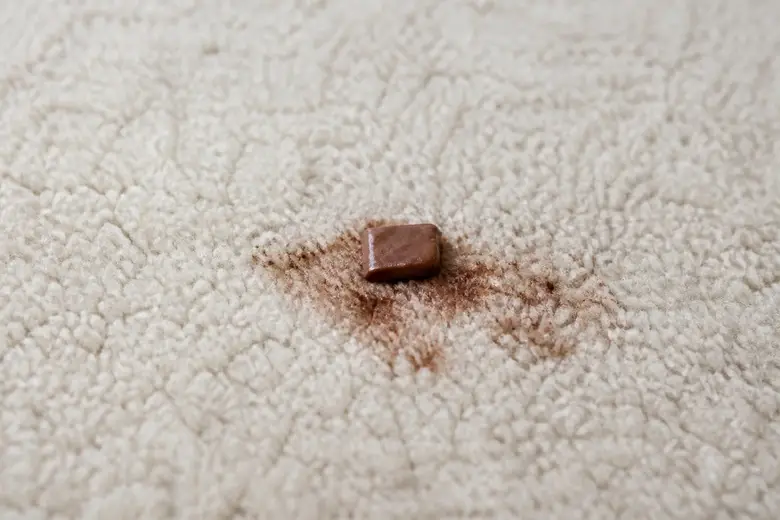
Chocolate should first be lifted from the carpet rather than rubbed further into the fibres. Remove any solid chocolate carefully, blot melted residue without spreading it, then use only a small amount of a carpet-safe cleaning method suitable for the fibre. Avoid excessive heat, hard scrubbing and overwetting. Dried or greasy chocolate residue may need more careful treatment because the colour can improve while oily marks remain.
Chocolate can be awkward because it is not just a coloured mark. Depending on the type of chocolate, it can contain cocoa solids, fats, sugar and milk ingredients. That means the stain may involve visible brown colour, sticky residue and a greasy mark that clings to carpet fibres.
Softened chocolate can also move through the pile if it is rubbed or heated. A small piece of solid chocolate is usually easier to lift than a warm, smeared mark that has been pushed sideways. The safest first response is to remove what you can without grinding it in, then treat the remaining residue carefully.
If the chocolate is still solid, lift away as much as possible using a blunt edge such as a spoon handle or the edge of a clean card. The aim is to remove loose material without pressing it deeper into the carpet. Do not scrape with a sharp blade or dig into the pile.
If the chocolate is melted, blot rather than wipe. Sideways wiping can spread the mark and make the affected area larger. Use a clean white cloth and gentle pressure, replacing the cloth as it picks up residue. Do not immediately flood the spot with water, and do not apply heat to try to melt the chocolate out.
For broader stain advice, Hobbs has a separate guide to general carpet stain removal. This article stays focused on chocolate, including fresh, melted and dried marks.
Fresh chocolate is usually easier to manage before it has dried or been walked into the carpet. Start by removing any excess material. If there is a soft smear, blot gently and work slowly. Once the loose chocolate has been removed, inspect the carpet fibre and check any care guidance you have for the flooring.
If a carpet-safe cleaning product is suitable, test it first in a hidden area. Apply only a small amount to the stain area and work from the outside towards the centre. The aim is to lift residue, not soak the backing. After treatment, blot with a clean cloth to remove moisture and residue, then allow the carpet to dry fully before judging the result.
If you are unsure which product belongs in a machine or on a carpet, the Hobbs guide to carpet cleaner solution explains why product suitability matters.
Melted chocolate needs a slower touch because it smears easily. Avoid wiping sideways, because that can drag cocoa and fat across clean fibres. If the chocolate is very soft, lift what you can and let the remainder become more manageable before trying to remove it. Do not use direct heat, as heat can soften the chocolate further and spread the greasy residue.
Once the main residue has been lifted, blot the area with a clean white cloth. Then use a suitable carpet-safe method with controlled moisture. If the carpet becomes too wet, stop and blot. A melted stain can look worse if the chocolate is pushed through the pile or mixed with too much cleaning liquid.
Dried chocolate may stick to the fibres and feel slightly crusted. Do not scrape aggressively with sharp tools, because that can damage the carpet pile. Carefully loosen and lift any removable material first. If the chocolate has been there for a while, it may already have left oily or coloured residue behind.
Controlled re-treatment may be needed, especially on older stains. Use a suitable carpet-safe method and avoid flooding the area. Dried chocolate can improve gradually, but complete removal cannot be guaranteed before the carpet and stain have been assessed.
Sometimes the visible chocolate solids are removed, but a darker or slightly greasy mark remains. This can happen because fats and oils from the chocolate attach to the fibres. The area may look darker, feel different, attract dirt more quickly or remain visible after drying.
Do not reach for random household degreasers. A product that works on a kitchen surface may not be suitable for carpet fibres, dyes or backing. The remaining mark should be treated according to the carpet type and product instructions. If the area keeps attracting soil, residue may still be present.
Very hot water is not a good general answer for chocolate on carpet. Heat can soften chocolate, move greasy residue through the pile and make the mark spread. A carpet-appropriate cleaning approach is safer than trying to melt chocolate out of the carpet.
If moisture is used, keep it controlled and suitable for the fibre. The goal is to remove residue and then dry the area properly, not to add enough water to push the stain into deeper layers.
Washing-up liquid can create problems if it is used heavily or left behind. Too much household detergent may foam, leave sticky residue, require extra rinsing, add more moisture and attract soil later. It should not be poured onto carpet as a quick fix.
Follow the carpet and cleaning-product guidance. If a product is not designed for carpet, be cautious. A small chocolate mark can become a larger cleaning problem if the area is over-wet or loaded with detergent residue.
Baking soda is not a guaranteed chocolate stain remover. Covering chocolate residue with powder does not remove the underlying fat, sugar or cocoa colour. If any absorbent powder is used, it should only be considered after loose chocolate has been removed and only where the carpet and product guidance allow it.
Do not make a baking-soda paste or push powder into a wet chocolate stain. That can create more residue to remove later.
Vinegar is not universally safe for every carpet. Fibres differ, dyes differ and backing materials differ. Previous products may also already be present in the stain area, which can make another household treatment unpredictable.
A suitable carpet-safe method is the better starting point. Test carefully, use controlled moisture and avoid mixing kitchen ingredients into a DIY chemical recipe.
Household bleach is not an appropriate general treatment for chocolate on carpet. It can damage fibres, affect colour and create unnecessary risk on wool, delicate or unknown carpets. Hobbs has a dedicated guide on can you use bleach on carpet, but bleach is not the right first response for chocolate stains.
Wool, handmade, valuable, delicate or unknown carpets need extra care. Fibre identification, manufacturer guidance, colourfastness and cleaning-product compatibility all matter. Aggressive rubbing can distort fibres, while too much moisture can create drying problems.
If you are unsure what the carpet is made from, professional assessment may be safer than repeated DIY attempts. This is especially true where the chocolate has dried, the stain is old or several products have already been tried.
Dark chocolate often creates a more visible cocoa-coloured mark, but that does not mean every dark chocolate stain is the hardest to remove. Milk chocolate can involve cocoa colour plus milk, fat and sugar residue. White chocolate may not leave the same brown colour, but it can still leave a fatty or oily mark.
The right treatment depends on the chocolate, the carpet and what has already happened to the stain. The practical first steps remain similar: lift excess material, avoid spreading it, use a suitable carpet-safe method and reassess once dry.
Hot chocolate, chocolate milk and chocolate ice cream contain more liquid than a piece of chocolate dropped on carpet. They may include milk, sugar, flavourings and cocoa, so the cleaning problem is not identical. If dairy liquid is part of the spill, the Hobbs guide on how to clean milk out of carpet is a better supporting resource.
| Problem | Main Issue | First Priority | When Professional Help May Be Useful |
|---|---|---|---|
| Fresh solid chocolate | Loose material on the carpet surface | Lift excess chocolate without pressing it in | If colour or grease remains after careful treatment |
| Melted chocolate | Smearing and oily residue | Blot and lift rather than wipe sideways | If the stain spreads or remains greasy |
| Dried chocolate | Residue stuck to fibres | Loosen carefully without sharp scraping | If the carpet pile may be damaged |
| Greasy residue | Fat or oil left after solids are gone | Use a suitable carpet-safe method | If the mark attracts soil or stays dark |
| Old stain | Set colour and residue | Avoid repeated random products | If previous DIY treatment has failed |
| Wool or delicate carpet | Higher risk from moisture or wrong products | Check care guidance and test carefully | If fibre type or dye stability is uncertain |
| Large affected area | More residue and more moisture risk | Work in controlled sections | If the area cannot be cleaned and dried safely |
| Previous DIY treatments | Mixed residue may remain | Stop adding more products | If the area feels sticky or looks dull |
Professional carpet cleaning may be useful when the mark remains after careful home treatment, oily residue is still visible, chocolate has dried, the carpet is wool or delicate, the fibre is unknown, previous products have been used, the stain is old or the affected area is large.
That does not mean complete stain removal can be promised before inspection. The final result depends on the carpet fibre, dye stability, stain age, residue type and previous cleaning attempts. Professional assessment is often most helpful when DIY treatment risks making the mark worse.

Hobbs Cleaning Ltd provides professional residential carpet cleaning for homes where food stains, greasy marks or old residue need careful assessment. Customers can check current carpet cleaning prices or contact Hobbs Cleaning Ltd for advice before booking.
If you are deciding whether a professional visit is worthwhile, the Hobbs guide on why professional carpet cleaning is worth it explains the wider benefits. For rented homes, the end of tenancy carpet cleaning checklist may also be useful where stains need careful handling before checkout. Hobbs Cleaning Ltd serves established areas including Hemel Hempstead, Berkhamsted, Tring, St Albans, Harpenden and Milton Keynes.
Yes, many chocolate marks can be improved or removed if excess chocolate is lifted carefully and the carpet is treated with a suitable method. Older or greasy residue may be harder.
Lift excess chocolate, blot any soft residue, test a carpet-safe product and use controlled moisture. Work from the outside towards the centre, then dry the area fully.
Loosen removable material carefully without sharp scraping, then treat remaining residue with a suitable carpet-safe method. Avoid soaking or aggressive scrubbing.
Blot and lift the melted chocolate without wiping sideways. Remove as much material as possible before introducing any cleaning moisture.
Chocolate can leave fats or oils behind even after the visible solids are gone. The area may look darker, feel different or attract dirt if residue remains.
Very hot water is not recommended because heat can soften chocolate and spread greasy residue. Use a carpet-appropriate method instead.
Baking soda is not a guaranteed chocolate stain remover. It will not remove underlying fat, sugar or coloured residue by itself.
Vinegar is not universally safe for every carpet. Fibres, dyes and backing materials differ, so suitable carpet-safe products and careful testing are safer.
No. Household bleach is not an appropriate general treatment for chocolate on carpet and may damage fibres or colour.
Professional cleaning may help with chocolate stains and oily residue, but complete removal cannot be guaranteed before inspection.